As
directed by journeyman Elliot Silverstein, whose eclectic résumé includes the
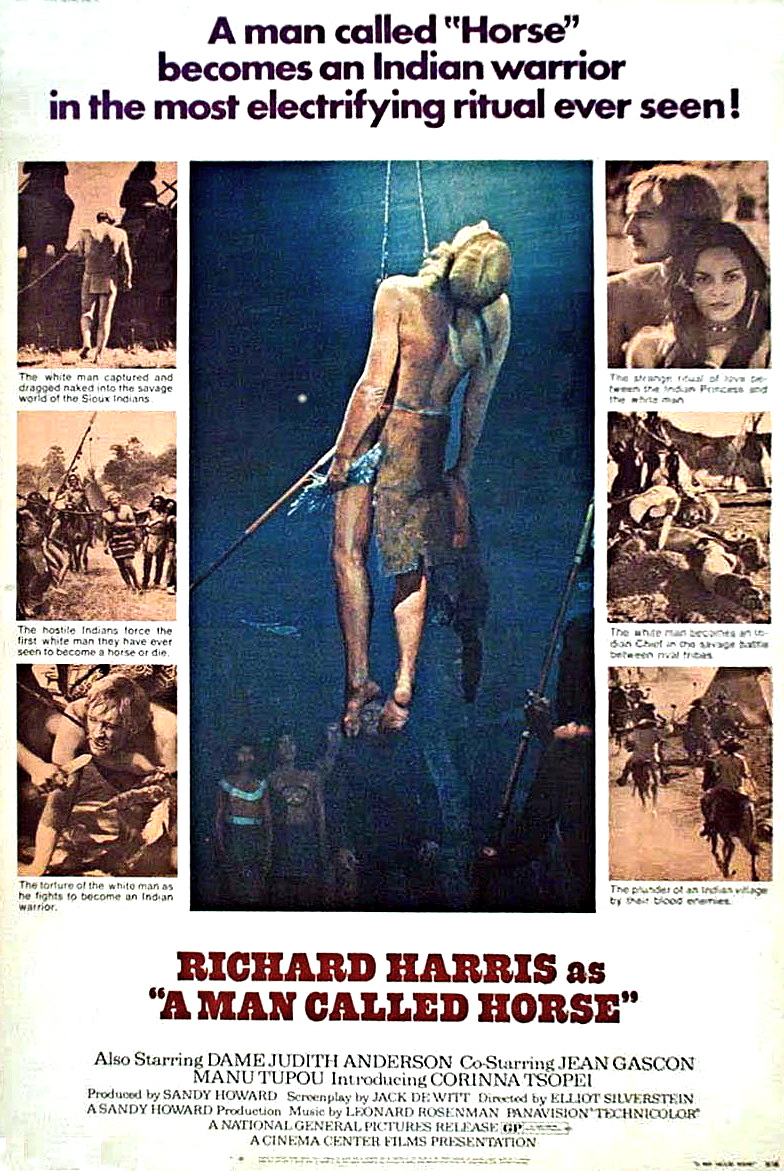
memorable films Cat Ballou (1965) and
A Man Called Horse (1970), this
Southwestern-set shocker boasts such impressive visuals as panoramic vistas and
razor-sharp detail shots. Clearly, Silverstein studied the way Steven Spielberg
shot Duel (1972), and copied many of
Spielberg’s flourishes. The Car also
cops gimmicks from another Spielberg picture, Jaws (1975), notably combining point-of-view shots and theme music
to jack up scenes of the villain attacking victims. Unfortunately, the villain
of this piece is—as the title suggests—a car. Not a driver who uses a car as a
weapon, mind you, but a customized, driverless Lincoln Continental. Yes, The Car is about a demonically possessed
automobile. Novelist Stephen King took the same notion a step further with his
1983 book Christine, which gave the
titular vehicle both a personality and supernatural powers, but in The Car, the killer is merely that—a
car. Sure, it does a few fancy tricks like leaping into the air and repelling
bullets, but the Lincoln has zero impact as a malevolent screen presence.
The plot follows the Jaws formula of a small town victimized by an unstoppable killer. James Brolin stars as likeable sheriff working in the Utah community where the car is murdering people, so he teams up with fellow cops to battle the four-wheeled monstrosity. Eventually, local Indians persuade Brolin’s character that the car is possessed by an evil demon, so the film climaxes with Brolin and his troops attempting to bury the car in a remote canyon. The Car would have been more enjoyable had it been trimmed down to something like 80 minutes, but at its full 96-minute length, the movie feels needlessly padded with pointless and/or repetitive scenes. Nonetheless, there are some campy highlights.
For instance, the filmmakers try to mimic the classic Jaws scene of a shark eating its way through an ocean filled with Fourth of July swimmers. Thus, The Car features a ludicrous scene of the villainous vehicle chasing a high-school marching band from a football field to a cemetery. Later, the car soars through an entire house just to wipe out one victim. And the final scene is an unintentionally funny attempt at supernatural-cinema grandiosity. As for the acting, while Brolin is as weak as usual—moderately charming in quiet scenes, startlingly terrible in intense ones—he’s abetted by an okay supporting cast. Veteran character actor R.G. Armstrong steals the movie as a disgusting redneck who witnesses several of the car’s murders, Ronny Cox adds humanity as a deputy with an alcohol problem, and Kathleen Lloyd is appealing as the hero’s stalwart girlfriend. FYI, real-life siblings and future Real Housewives of Beverly Hills cast members Kim Richards and Kyle Richards play the young daughters of Brolin’s character.
The plot follows the Jaws formula of a small town victimized by an unstoppable killer. James Brolin stars as likeable sheriff working in the Utah community where the car is murdering people, so he teams up with fellow cops to battle the four-wheeled monstrosity. Eventually, local Indians persuade Brolin’s character that the car is possessed by an evil demon, so the film climaxes with Brolin and his troops attempting to bury the car in a remote canyon. The Car would have been more enjoyable had it been trimmed down to something like 80 minutes, but at its full 96-minute length, the movie feels needlessly padded with pointless and/or repetitive scenes. Nonetheless, there are some campy highlights.
For instance, the filmmakers try to mimic the classic Jaws scene of a shark eating its way through an ocean filled with Fourth of July swimmers. Thus, The Car features a ludicrous scene of the villainous vehicle chasing a high-school marching band from a football field to a cemetery. Later, the car soars through an entire house just to wipe out one victim. And the final scene is an unintentionally funny attempt at supernatural-cinema grandiosity. As for the acting, while Brolin is as weak as usual—moderately charming in quiet scenes, startlingly terrible in intense ones—he’s abetted by an okay supporting cast. Veteran character actor R.G. Armstrong steals the movie as a disgusting redneck who witnesses several of the car’s murders, Ronny Cox adds humanity as a deputy with an alcohol problem, and Kathleen Lloyd is appealing as the hero’s stalwart girlfriend. FYI, real-life siblings and future Real Housewives of Beverly Hills cast members Kim Richards and Kyle Richards play the young daughters of Brolin’s character.
The Car: FUNKY